

Hey there! As a drive shaft supplier, I often get asked about the weight of a typical drive shaft. It's a question that might seem simple at first glance, but the answer can vary quite a bit depending on several factors. So, let's dive into this topic and explore what goes into the weight of a drive shaft.
First off, what exactly is a drive shaft? Well, it's a crucial component in vehicles and industrial machinery. Its main job is to transfer torque from the engine or power source to the wheels or other parts that need to move. In a car, for example, the drive shaft connects the transmission to the differential, allowing the power from the engine to reach the wheels and make the car go.
Now, when it comes to the weight of a typical drive shaft, there's no one - size - fits - all answer. The weight can be influenced by a bunch of things, like the material it's made of, its length, diameter, and the type of vehicle or machinery it's designed for.
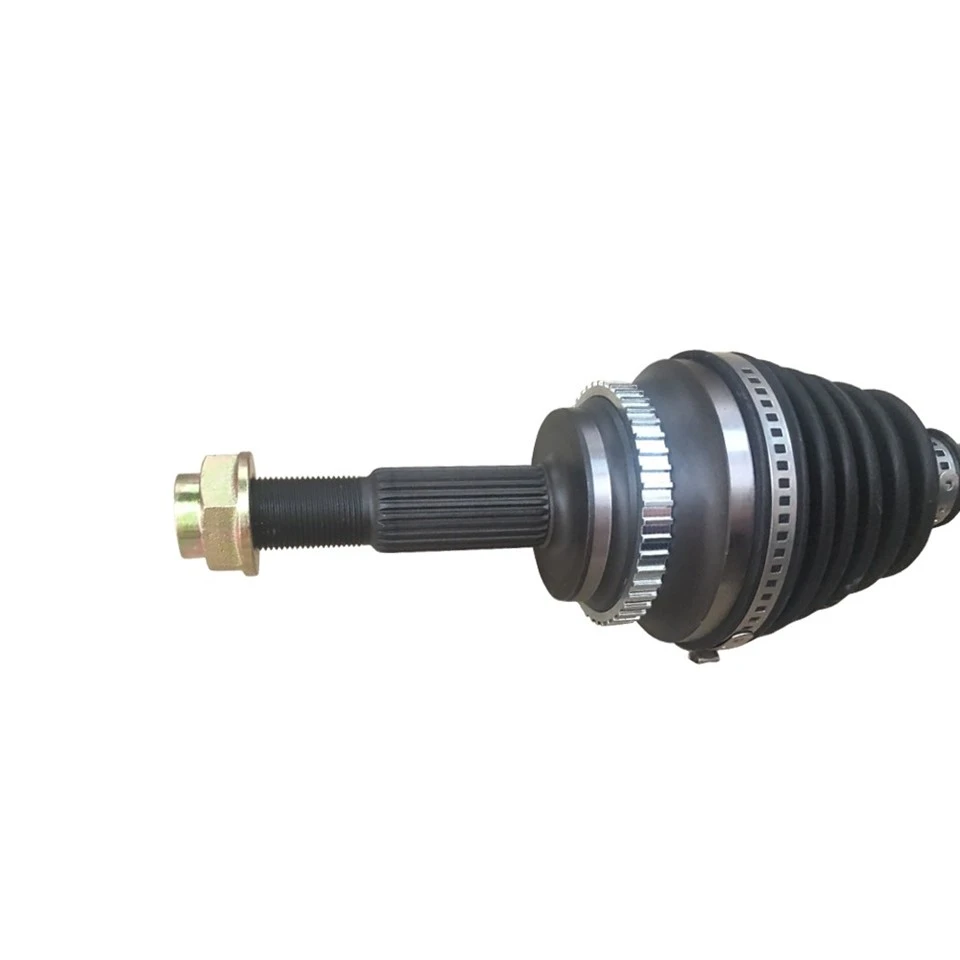
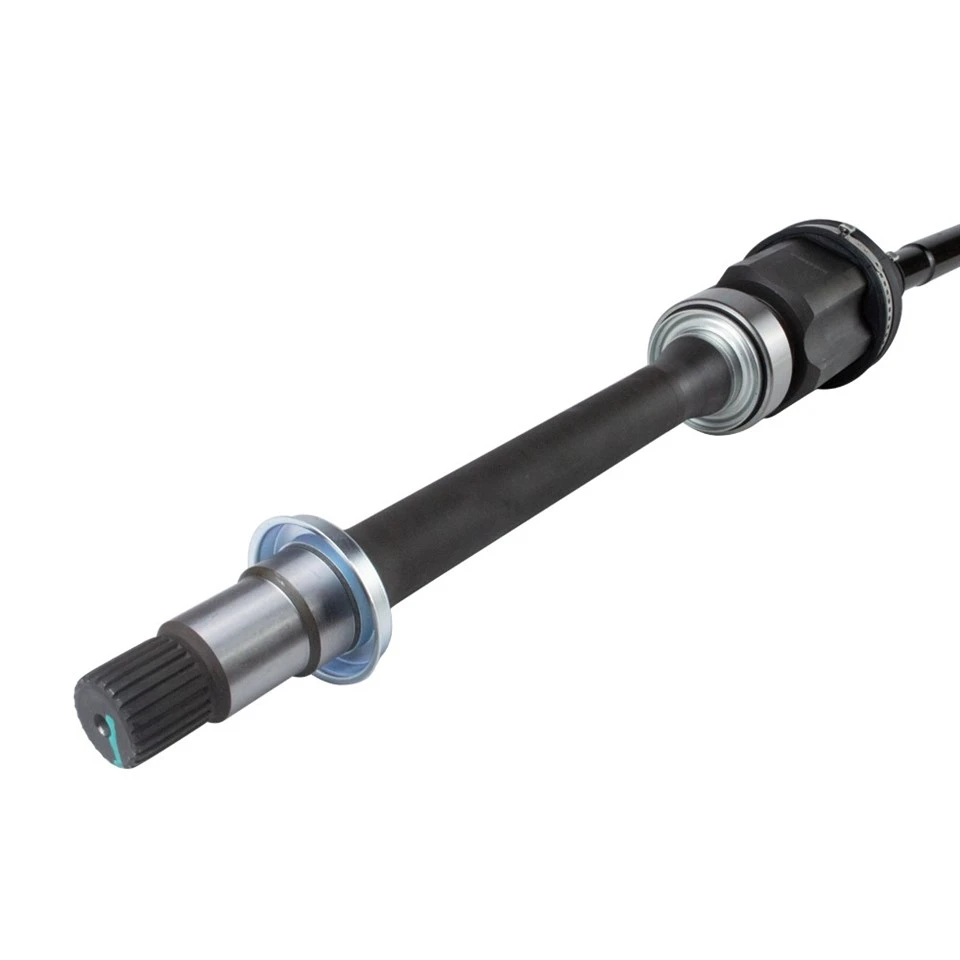
Let's start with the material. Drive shafts can be made from different materials, each with its own weight characteristics. One of the most common materials is steel. Steel drive shafts are strong and durable, which makes them a popular choice for many applications. However, they're also relatively heavy. A steel drive shaft for a standard passenger car can weigh anywhere from 15 to 30 pounds (about 6.8 to 13.6 kilograms). The exact weight depends on the size and design of the shaft. For larger vehicles like trucks or SUVs, steel drive shafts can be even heavier, sometimes weighing over 50 pounds (about 22.7 kilograms).
On the other hand, there are also aluminum drive shafts. Aluminum is much lighter than steel. An aluminum drive shaft can weigh about 30% to 50% less than a steel one of the same size. This weight reduction can have some benefits, like improving fuel efficiency and reducing the overall weight of the vehicle. For a passenger car, an aluminum drive shaft might weigh around 10 to 20 pounds (about 4.5 to 9.1 kilograms). But aluminum drive shafts might not be as strong as steel ones in some high - stress applications, so they're not always the best choice.
Carbon fiber is another material used for drive shafts, especially in high - performance vehicles. Carbon fiber drive shafts are extremely lightweight and also very strong. They can weigh as little as 5 to 10 pounds (about 2.3 to 4.5 kilograms) for a passenger car. However, carbon fiber is more expensive to produce, which means carbon fiber drive shafts are usually found in luxury or high - end sports cars.
The length of the drive shaft also plays a big role in its weight. Longer drive shafts generally weigh more than shorter ones. In a rear - wheel - drive car, the drive shaft has to span from the transmission at the front of the car to the differential at the rear. This can be a relatively long distance, so the drive shaft will be longer and heavier compared to a front - wheel - drive car, where the drive shafts are shorter because they only need to connect the transmission to the front wheels.
The diameter of the drive shaft is another factor. A larger - diameter drive shaft can handle more torque, but it will also be heavier. For example, a drive shaft with a larger diameter might be used in a high - performance vehicle or a heavy - duty truck that needs to transfer a lot of power.
The type of vehicle or machinery the drive shaft is for also affects its weight. As I mentioned earlier, passenger cars, trucks, and SUVs have different requirements for their drive shafts. Trucks and SUVs often need stronger and heavier drive shafts because they carry more weight and need to transfer more torque. Industrial machinery can also have very heavy drive shafts, especially if they're used in large - scale manufacturing or construction equipment.
Let's take a look at some specific products we offer. We have the XV70 CV Axle Drive Shaft Half Shaft Assembly For Toyota CAMRY Saloon. This drive shaft is designed specifically for the Toyota Camry Saloon. It's made from high - quality materials to ensure durability and smooth performance. The weight of this drive shaft depends on the specific model and design, but it's optimized for the vehicle's requirements.
Another product is the Driveshaft Shaft Drive. This is a more general - purpose drive shaft that can be used in a variety of applications. It comes in different sizes and materials, so the weight can vary widely. Whether you need a lightweight option for a small car or a heavy - duty one for a large vehicle, we can provide the right drive shaft for you.
We also have the 2011 - 2017 Cv Axle Cv Joint For Toyota Camry. This drive shaft is tailored to fit the 2011 - 2017 Toyota Camry models. It's designed to meet the exact specifications of the vehicle, ensuring a perfect fit and reliable performance.
If you're in the market for a drive shaft, it's important to consider all these factors when choosing the right one for your needs. You need to think about the weight, but also the strength, durability, and compatibility with your vehicle or machinery.
We understand that every customer has different requirements, and we're here to help you find the perfect drive shaft. Whether you're a car enthusiast looking to upgrade your vehicle's performance or a business owner in need of drive shafts for your industrial equipment, we have the expertise and products to meet your needs.
If you're interested in our drive shafts or have any questions about their weight, specifications, or pricing, don't hesitate to reach out. We're always happy to have a chat and discuss your requirements. Let's work together to find the best drive shaft solution for you.
References
- Automotive Engineering Handbook, various editions
- Textbooks on vehicle design and mechanics
- Manufacturer's specifications for drive shafts