

Hey everyone! I'm a supplier of drive shafts for Toyota Rav4, and today I'm gonna share with you how to check the condition of the drive shaft for your Toyota Rav4. Knowing how to do this can save you a lot of trouble and money in the long run, so let's get started!
Why Checking the Drive Shaft is Important
First off, you might be wondering why it's so important to check the drive shaft of your Toyota Rav4. Well, the drive shaft plays a crucial role in transferring power from the transmission to the wheels. If there's something wrong with it, you can experience all sorts of problems, like vibrations, clunking noises, or even a total loss of power to the wheels. And trust me, you don't want to be stuck on the side of the road because of a faulty drive shaft.
Tools You'll Need
Before you start checking the drive shaft, you'll need a few tools. Here's what you'll want to have on hand:
- A jack and jack stands: You'll need these to lift your car safely and keep it stable while you're working.
- A pry bar: This will help you check for any looseness in the drive shaft.
- A torque wrench: This is useful for checking the tightness of the bolts.
- A flashlight: It'll make it easier to see what's going on under the car.
Checking the Physical Condition
The first step in checking the drive shaft is to look at its physical condition. Start by jacking up your Toyota Rav4 and securing it on the jack stands. Make sure the car is in park (if it's an automatic) or in gear (if it's a manual) and set the parking brake.
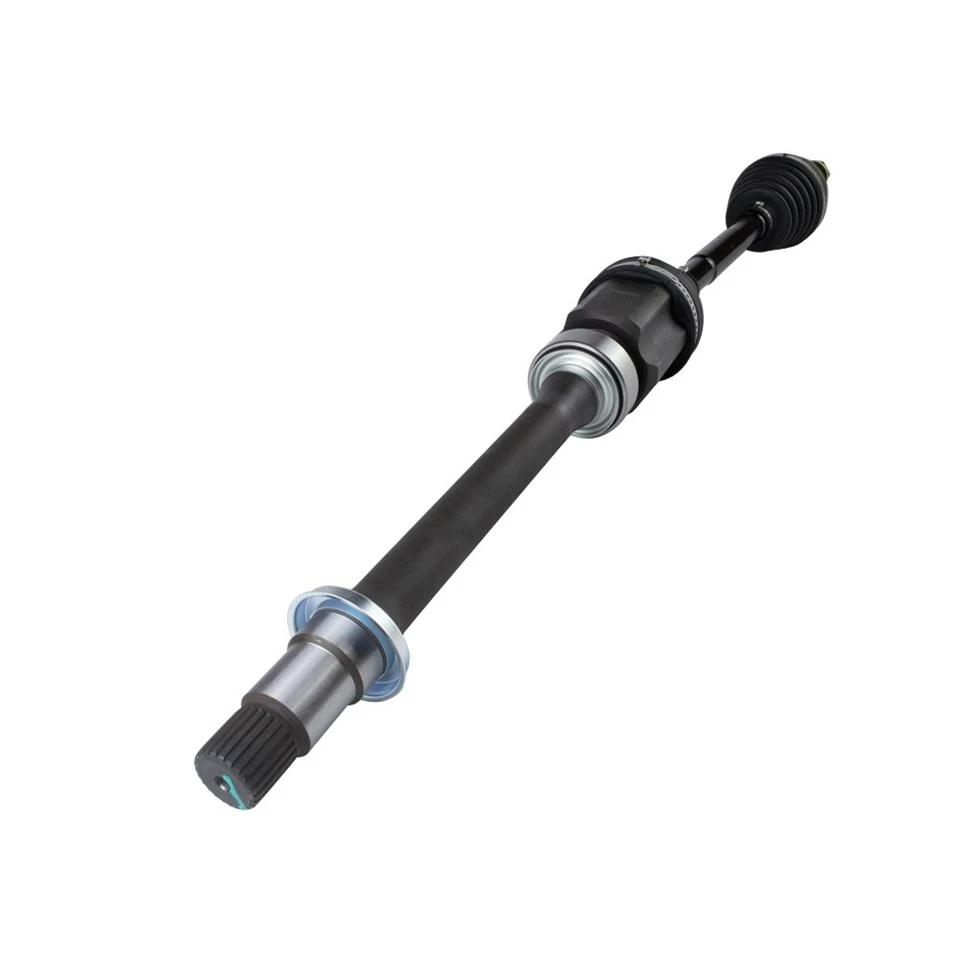
Once the car is safely elevated, use your flashlight to inspect the drive shaft closely. Look for any signs of damage, like cracks, dents, or rust. Cracks are a major red flag, as they can cause the drive shaft to break while you're driving. Dents can also affect the balance of the drive shaft and lead to vibrations. Rust might not seem like a big deal at first, but it can weaken the metal over time.
Examining the CV Joints
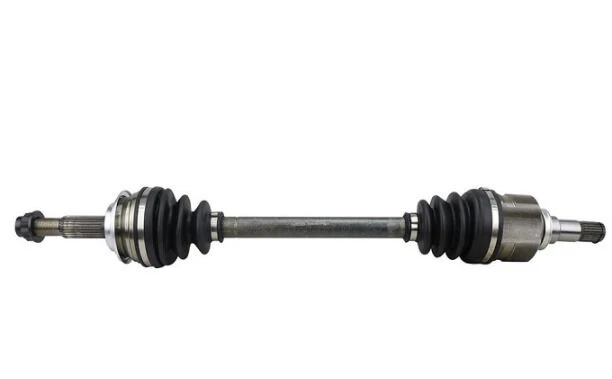
The constant velocity (CV) joints are an important part of the drive shaft. They allow the drive shaft to move at different angles while still transmitting power smoothly. To check the CV joints, start by looking at the rubber boots that cover them. These boots are meant to keep grease in and dirt out. If you see any tears or cracks in the boots, it's a sign that the joint might be contaminated or damaged.
You can also check for play in the CV joints. Use your pry bar to gently move the drive shaft up and down and side to side at the joints. There should be very little to no movement. If you feel a lot of play, it could mean that the CV joint is worn out and needs to be replaced.
Checking the Bolts
The bolts that hold the drive shaft in place are another important thing to check. Use your torque wrench to ensure that the bolts are tightened to the manufacturer's specifications. Loose bolts can cause the drive shaft to move around, which can lead to damage and strange noises.
If you find that any of the bolts are loose, tighten them to the correct torque. But if you notice that the bolts are stripped or damaged, it's best to replace them as soon as possible.
Testing for Vibrations
One of the most common signs of a bad drive shaft is vibrations while driving. To test for vibrations, you can take your car for a short drive. Pay attention to when the vibrations occur. Are they more noticeable at low speeds, high speeds, or during acceleration?
If you feel vibrations that start near the center of the car, it could be a sign of a problem with the drive shaft. However, keep in mind that vibrations can also be caused by other issues, like unbalanced tires or a misaligned suspension. If you're not sure what's causing the vibrations, it's a good idea to have a professional mechanic take a look.
What to Do If You Find a Problem
If you find any issues during your drive shaft inspection, it's important to address them right away. For minor problems, like a loose bolt or a small tear in a CV joint boot, you might be able to fix it yourself. But for more serious issues, like a cracked drive shaft or a worn-out CV joint, it's best to replace the parts.
As a drive shaft supplier for Toyota Rav4, I can offer you high - quality replacement parts. We also have other related products like the WHOLESALE CV AXLE FOR COROLLA Saloon (E15) 1.6 VVTi (ZRE141_, ZRE151_), CCL Brand Cv Axle For Toyota COROLLA (E12) 1.4 VVT - i (ZZE120_, ZZE120R), and XV70 CV Axle Drive Shaft Half Shaft Assembly For Toyota CAMRY Saloon.
Conclusion
Checking the condition of the drive shaft for your Toyota Rav4 isn't that hard if you know what you're doing. By following these steps, you can catch potential problems early and avoid more serious issues down the road. Remember, a well - maintained drive shaft means a smoother and safer driving experience.
If you're in the market for a new drive shaft or any of our other products, feel free to reach out and start a conversation about your procurement needs. We're here to help you get the parts you need at a great price.
References
- "Toyota Rav4 Service Manual"
- Automotive repair guides related to Toyota vehicles.