

Corrosion is a natural phenomenon that occurs when metals react with their environment, leading to the deterioration of their physical and mechanical properties. In the context of driveshaft shaft drives, corrosion can have a significant impact on performance, safety, and longevity. As a driveshaft shaft drive supplier, I have witnessed firsthand the consequences of corrosion on these critical components. In this blog post, I will explore the various impacts of corrosion on driveshaft shaft drives and discuss strategies to mitigate its effects.
Understanding Corrosion in Driveshaft Shaft Drives
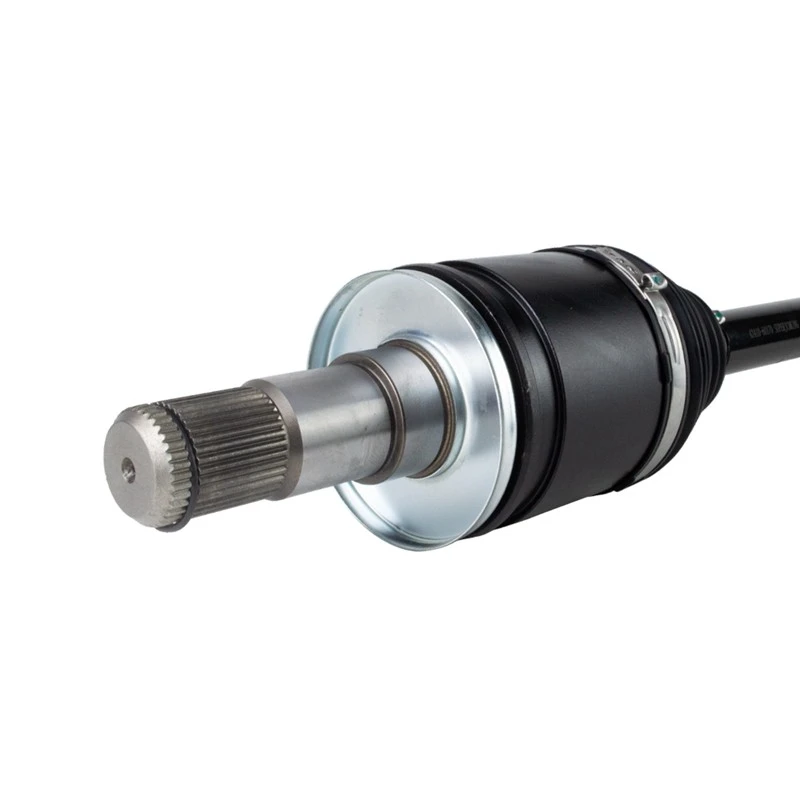
Driveshaft shaft drives are essential components in many vehicles and industrial machinery, responsible for transmitting torque from the engine to the wheels or other driven components. These shafts are typically made of steel or aluminum, which are susceptible to corrosion when exposed to moisture, chemicals, and other environmental factors. Corrosion can occur in various forms, including rust, pitting, and galvanic corrosion, each with its own unique characteristics and effects.
Rust is the most common form of corrosion in steel driveshafts, resulting from the reaction between iron and oxygen in the presence of water. This process forms a layer of iron oxide on the surface of the shaft, which can weaken the metal and cause it to become brittle over time. Pitting corrosion, on the other hand, is characterized by small holes or pits that form on the surface of the metal, often due to the presence of chloride ions in the environment. Galvanic corrosion occurs when two different metals are in contact with each other in the presence of an electrolyte, such as saltwater, causing one metal to corrode at a faster rate than the other.
Impact of Corrosion on Driveshaft Shaft Drive Performance
The impact of corrosion on driveshaft shaft drive performance can be significant, affecting both the efficiency and reliability of the system. One of the primary effects of corrosion is the reduction in the strength and stiffness of the shaft, which can lead to increased vibration and noise during operation. This can not only affect the comfort of the vehicle occupants but also cause premature wear and tear on other components of the drivetrain, such as the bearings and joints.
Corrosion can also cause the surface of the shaft to become rough and uneven, increasing friction and reducing the efficiency of the power transfer. This can result in a loss of power and fuel economy, as the engine has to work harder to overcome the increased resistance. In severe cases, corrosion can cause the shaft to fail completely, leading to a loss of power and potentially dangerous driving conditions.
Impact of Corrosion on Driveshaft Shaft Drive Safety
In addition to its impact on performance, corrosion can also have a significant impact on the safety of driveshaft shaft drives. A corroded shaft is more likely to fail under stress, especially during high-speed or heavy-load operation. This can result in the shaft breaking or separating from the drivetrain, causing the vehicle to lose power and potentially leading to a loss of control.
Corrosion can also affect the integrity of the joints and bearings in the driveshaft system, increasing the risk of failure and reducing the overall reliability of the vehicle. This can be particularly dangerous in commercial vehicles or industrial machinery, where the failure of a driveshaft can have serious consequences for the safety of the operators and the surrounding environment.
Mitigating the Effects of Corrosion on Driveshaft Shaft Drives
As a driveshaft shaft drive supplier, I understand the importance of mitigating the effects of corrosion to ensure the performance, safety, and longevity of our products. There are several strategies that can be employed to prevent or reduce the impact of corrosion on driveshaft shafts, including:
- Coating and Painting: Applying a protective coating or paint to the surface of the shaft can help to prevent corrosion by creating a barrier between the metal and the environment. This can be particularly effective in preventing rust and other forms of surface corrosion.
- Galvanization: Galvanizing the shaft involves coating it with a layer of zinc, which provides a sacrificial anode that corrodes in place of the steel. This can significantly extend the lifespan of the shaft and reduce the risk of corrosion.
- Corrosion-Resistant Materials: Using corrosion-resistant materials, such as stainless steel or aluminum alloys, can also help to prevent corrosion in driveshaft shafts. These materials are more resistant to the effects of moisture, chemicals, and other environmental factors, making them ideal for use in harsh or corrosive environments.
- Regular Maintenance and Inspection: Regular maintenance and inspection of the driveshaft system can help to detect and address any signs of corrosion early on, before they become a serious problem. This can include cleaning the shaft, checking for signs of wear and tear, and replacing any damaged or corroded components as needed.
Conclusion
Corrosion is a serious issue that can have a significant impact on the performance, safety, and longevity of driveshaft shaft drives. As a driveshaft shaft drive supplier, it is our responsibility to ensure that our products are designed and manufactured to withstand the effects of corrosion and to provide our customers with the necessary support and guidance to prevent and mitigate its impact. By implementing the strategies outlined in this blog post, we can help to ensure that our driveshaft shafts remain reliable and efficient for years to come.
If you are in the market for a high-quality driveshaft shaft drive, we invite you to explore our extensive range of products, including the Drive Shaft for Toyota Alphard, Drive Shaft for ford Mondeo, and 2001-2006 Fifth-generation Camry Cv Axle Cv Joint Drive Shaft For Toyota. Our team of experts is always available to answer any questions you may have and to help you find the right solution for your specific needs. Contact us today to learn more about our products and services and to start the procurement process.

References
- ASM International. (2004). Corrosion Basics: An Introduction. ASM International.
- Fontana, M. G. (1986). Corrosion Engineering. McGraw-Hill.
- Uhlig, H. H., & Revie, R. W. (1985). Corrosion and Corrosion Control: An Introduction to Corrosion Science and Engineering. John Wiley & Sons.