

Hey there, fellow Harley enthusiasts! As a supplier of Harley Rear Wheel Hubs, I often get asked this burning question: "Is the Harley Rear Wheel Hub compatible with all Harley brake systems?" Well, let's dive right into this topic and clear up the confusion.
First off, it's important to understand that Harley-Davidson has a long and rich history of producing a wide range of motorcycles. Over the years, they've introduced different models, each with its own unique set of features and specifications. This means that not all Harley Rear Wheel Hubs are created equal, and compatibility with brake systems can vary.
Let's start by looking at the different types of brake systems used in Harley motorcycles. There are generally two main types: drum brakes and disc brakes. Drum brakes were commonly used in older Harley models, while disc brakes have become the standard in more recent ones.
If you're dealing with an older Harley that has a drum brake system, the compatibility of the rear wheel hub is a bit more straightforward. These older models typically have a more standardized design, and many rear wheel hubs are designed to be compatible with the drum brake systems of their respective eras. However, it's still crucial to double-check the specifications. Factors like the diameter of the drum, the number of mounting holes, and the overall design of the hub can all affect compatibility.
On the other hand, disc brake systems are a bit more complex. Harley has used different disc brake setups over the years, including single-disc and dual-disc configurations. The size of the discs, the type of calipers, and the mounting locations can vary significantly between models. For example, a high-performance Harley model might have larger discs and more powerful calipers compared to a standard touring model.
When it comes to disc brake compatibility, the rear wheel hub needs to be designed to work with the specific disc brake setup of the motorcycle. This includes having the correct mounting points for the calipers and the appropriate spacing to accommodate the discs. If the hub isn't compatible, it can lead to a whole host of problems, such as improper braking performance, uneven wear on the brake components, and even safety issues.
Another factor to consider is the evolution of Harley's brake technology. As the company has introduced new models and updated its existing ones, the brake systems have also improved. Newer models often feature advanced braking technologies like anti-lock braking systems (ABS). If you're looking to upgrade to a newer rear wheel hub on a motorcycle with ABS, you need to make sure that the hub is designed to work with the ABS system. Otherwise, you could end up with a malfunctioning ABS or a system that doesn't function as intended.
Now, let's talk about some of the specific models and their compatibility. For instance, the Harley Softail series has gone through several changes over the years. Older Softail models had different brake systems compared to the newer ones. If you're trying to replace the rear wheel hub on an older Softail, you need to be aware of the specific brake system it has. Some aftermarket rear wheel hubs are designed to be universal for a range of Softail models, but it's always best to do your research and consult with an expert.
The same goes for the Harley Touring models. These motorcycles are known for their long-distance capabilities and often have more robust brake systems. The rear wheel hub for a Touring model needs to be able to handle the additional weight and stress that comes with long rides and heavy loads. Compatibility with the Touring model's brake system is crucial to ensure safe and reliable braking performance.
As a supplier, I've seen firsthand the importance of getting the right rear wheel hub for the right brake system. That's why I always recommend that customers do their due diligence before making a purchase. Check the specifications of your motorcycle's brake system, and compare them with the specifications of the rear wheel hub you're considering. If you're not sure, don't hesitate to reach out to me or other experts in the field.
Now, I also want to mention that we offer a wide range of Harley Rear Wheel Hubs, and we're constantly working to ensure that our products are as compatible as possible with different Harley brake systems. We understand that every Harley owner wants their motorcycle to perform at its best, and having a compatible rear wheel hub is a key part of that.
If you're interested in other types of wheel hubs, we also have some great options. For example, we have Wheel Hub Vespa which is designed specifically for Vespa scooters. These hubs are built to the highest standards and offer excellent performance. We also have Front Wheel Hub for Toyota Coaster for those who own Toyota Coaster vehicles. And if you have a Honda Fit, our Wheel Hub Bearing for Honda Fit is a great choice.

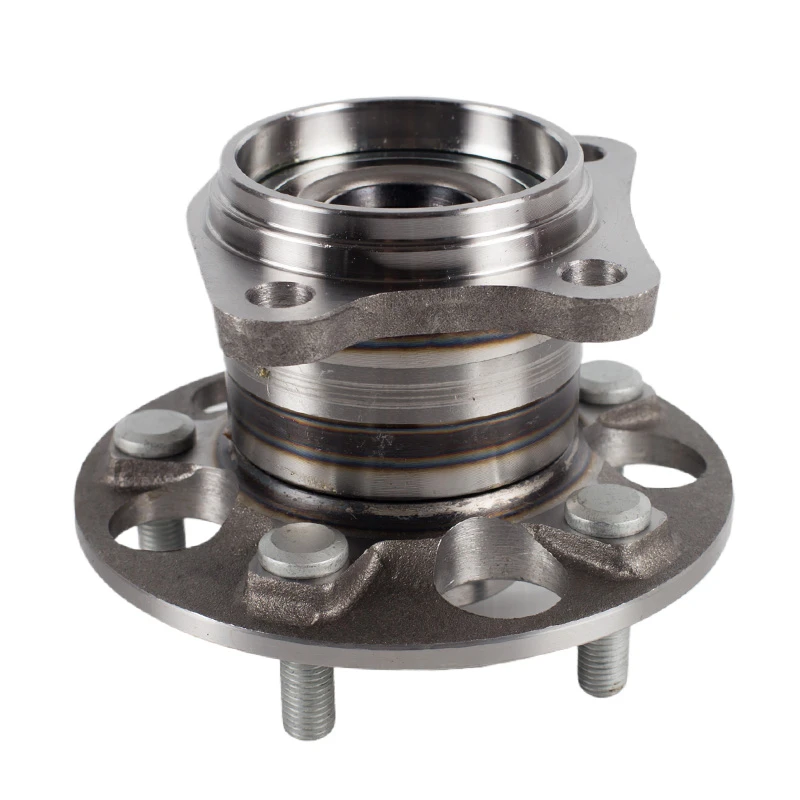
In conclusion, the compatibility of a Harley Rear Wheel Hub with all Harley brake systems is not a one-size-fits-all situation. It depends on a variety of factors, including the type of brake system (drum or disc), the specific model of the motorcycle, and the evolution of the brake technology. As a Harley owner, it's your responsibility to make sure that you choose the right rear wheel hub for your motorcycle's brake system.
If you're in the market for a Harley Rear Wheel Hub or have any questions about compatibility, I'd love to hear from you. Feel free to reach out to me, and we can start a conversation about finding the perfect hub for your motorcycle. Whether you're a DIY enthusiast looking to do the installation yourself or a professional mechanic, we're here to help you make the right choice.
References
- Harley-Davidson official technical manuals
- Industry publications on motorcycle brake systems
- Customer feedback and case studies from Harley owners