

Hey there! I'm a supplier of wheel hubs, and I know how frustrating it can be when corrosion starts to eat away at these important parts. Corrosion not only makes your wheel hubs look bad but can also compromise their performance and safety. In this blog, I'm gonna share some tips on how to prevent corrosion on a wheel hub.
Understanding the Causes of Corrosion
Before we dive into prevention methods, it's important to understand what causes corrosion in the first place. Corrosion is basically a chemical reaction that occurs when metal comes into contact with oxygen and moisture. On wheel hubs, this can happen due to a variety of factors.
One common cause is exposure to the elements. Rain, snow, and humidity can all introduce moisture to the wheel hubs. Salt on the roads during winter is another major culprit. Salt accelerates the corrosion process by increasing the conductivity of the water on the metal surface, making it easier for the chemical reaction to take place.
Another factor is the presence of contaminants. Brake dust, dirt, and grime can accumulate on the wheel hubs over time. These contaminants can trap moisture against the metal, creating an ideal environment for corrosion to start.
Regular Cleaning
One of the simplest and most effective ways to prevent corrosion is regular cleaning. You should clean your wheel hubs at least once a month, or more frequently if you drive in harsh conditions.
Start by rinsing the wheel hubs with water to remove any loose dirt and debris. Then, use a mild soap or a specialized wheel cleaner. Avoid using harsh chemicals or abrasive cleaners, as these can damage the protective coating on the wheel hubs.
Use a soft brush or a microfiber cloth to gently scrub the wheel hubs. Pay special attention to the areas where brake dust and dirt tend to accumulate, such as the inside of the wheel and around the bolts. Rinse the wheel hubs thoroughly with water to remove all the soap and cleaner.
After cleaning, dry the wheel hubs completely with a clean towel. Make sure to get into all the nooks and crannies to remove any remaining moisture.
Protective Coatings
Applying a protective coating to your wheel hubs can provide an extra layer of defense against corrosion. There are several types of protective coatings available, including paint, powder coating, and clear coat.
Paint is a popular choice for wheel hubs. It can provide a durable and attractive finish, and it comes in a variety of colors. When applying paint, make sure to prepare the surface properly by sanding and priming it first. This will help the paint adhere better and last longer.
Powder coating is another option. It is a more durable and long-lasting coating than paint. Powder coating involves applying a dry powder to the wheel hubs and then baking them in an oven to cure the powder. This creates a hard, protective layer that is resistant to chipping, scratching, and corrosion.
Clear coat is a transparent coating that can be applied over paint or powder coating. It provides an additional layer of protection against UV rays, moisture, and chemicals. Clear coat can also give your wheel hubs a shiny, polished look.
Avoiding Contact with Corrosive Substances
As much as possible, try to avoid exposing your wheel hubs to corrosive substances. This includes salt, chemicals, and acidic substances.
During winter, if you live in an area where salt is used on the roads, try to wash your wheel hubs as soon as possible after driving. This will help remove the salt before it has a chance to cause corrosion.

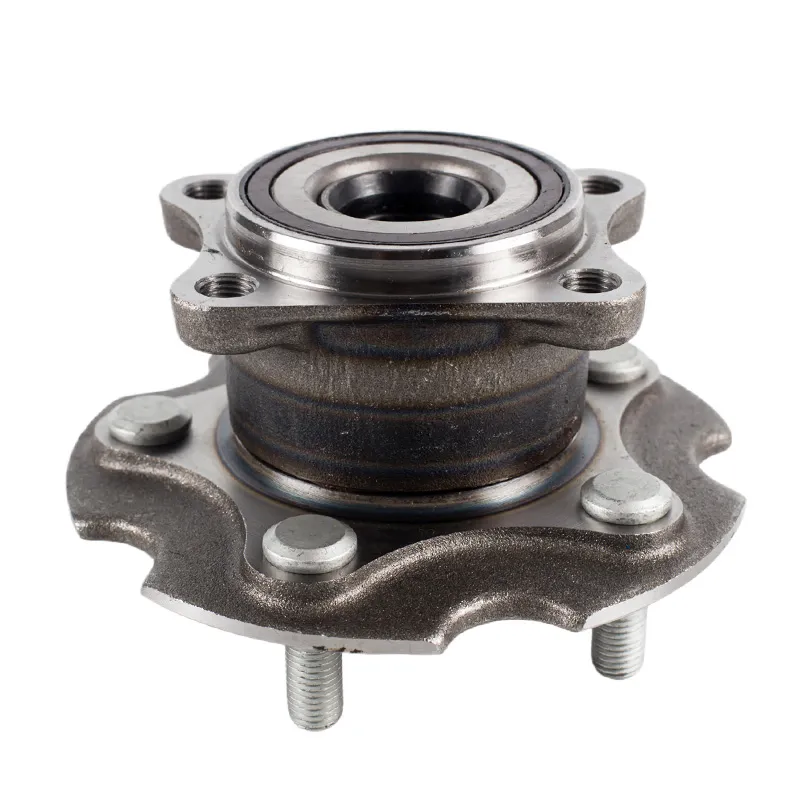
When cleaning your car, avoid using harsh chemicals or acidic cleaners on the wheel hubs. These can damage the protective coating and make the wheel hubs more susceptible to corrosion.
If you work in an environment where your wheel hubs are likely to come into contact with corrosive substances, consider using protective covers or shields. These can help prevent direct contact between the wheel hubs and the corrosive substances.
Inspecting for Damage
Regularly inspect your wheel hubs for any signs of damage. Look for chips, scratches, or dents in the protective coating. These areas are more prone to corrosion, as they expose the metal to oxygen and moisture.
If you notice any damage, repair it as soon as possible. You can touch up small chips and scratches with paint or a touch-up kit. For more severe damage, you may need to have the wheel hubs refinished or replaced.
Using Corrosion Inhibitors
Corrosion inhibitors are chemicals that can be applied to the wheel hubs to slow down or prevent the corrosion process. There are several types of corrosion inhibitors available, including sprays, liquids, and waxes.
Spray-on corrosion inhibitors are easy to apply and can provide a quick and effective way to protect your wheel hubs. Simply spray the inhibitor onto the wheel hubs and let it dry.
Liquid corrosion inhibitors can be applied with a brush or a cloth. They are often more concentrated than sprays and can provide a longer-lasting protection.
Wax is another type of corrosion inhibitor. It can be applied to the wheel hubs to create a protective barrier against moisture and contaminants. Wax also gives the wheel hubs a shiny, polished look.
Choosing the Right Wheel Hubs
When purchasing wheel hubs, it's important to choose high-quality products that are resistant to corrosion. Look for wheel hubs that are made from materials such as stainless steel or aluminum, as these materials are more corrosion-resistant than other metals.
You can also consider purchasing wheel hubs that have a protective coating or finish. For example, you can check out our Wheel Hub Vespa, Chevy S10 Wheel Hub Bearing, and Harley Rear Wheel Hub. These products are designed to be durable and resistant to corrosion, ensuring a long lifespan for your vehicle's wheels.
Conclusion
Preventing corrosion on wheel hubs is essential for maintaining their performance, safety, and appearance. By following these tips, you can keep your wheel hubs in good condition and prevent corrosion from occurring.
If you have any questions or if you're interested in purchasing high-quality wheel hubs, don't hesitate to contact us. We're here to help you find the right wheel hubs for your needs and to provide you with the best possible service.
References
- "Automotive Wheel Maintenance Guide" - Various automotive maintenance manuals
- "Corrosion Prevention in Metals" - Scientific research papers on metal corrosion