

As a dedicated supplier of driveshaft shaft drives, I understand the critical role these components play in a vehicle's performance. A driveshaft is an essential part of the drivetrain system, responsible for transmitting torque from the engine to the wheels. When problems occur with a driveshaft, it can lead to a variety of issues, from minor vibrations to complete drivetrain failure. In this blog, I'll share some insights on how to diagnose problems with a driveshaft shaft drive.
Visual Inspection
The first step in diagnosing driveshaft problems is a thorough visual inspection. Start by looking for any obvious signs of damage, such as cracks, dents, or missing parts. Check the universal joints (U-joints) for excessive play or rust. U-joints are crucial for allowing the driveshaft to flex as the vehicle moves over uneven terrain. If a U-joint is worn or damaged, it can cause vibrations and noise.
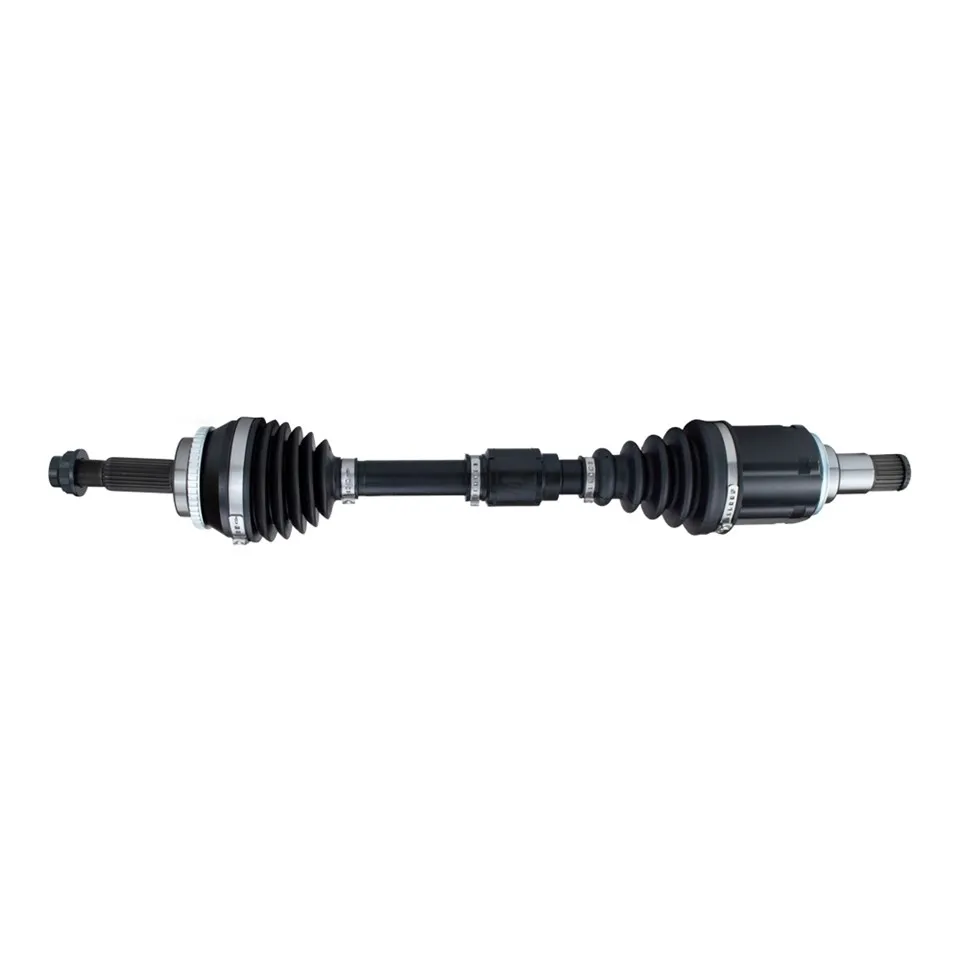
Inspect the CV (constant velocity) joints if your vehicle is equipped with them. CV joints are commonly found in front-wheel-drive and some all-wheel-drive vehicles. Look for torn or damaged boots, which can allow dirt and moisture to enter the joint, leading to premature wear. A torn boot is often a sign that the CV joint needs to be replaced.
Examine the driveshaft for any signs of imbalance. An imbalanced driveshaft can cause vibrations, especially at higher speeds. Look for any weights that may have come loose or fallen off. These weights are used to balance the driveshaft and ensure smooth operation.
Listen for Noise
Noise is often one of the first signs of a driveshaft problem. Pay attention to any unusual sounds coming from the drivetrain while the vehicle is in motion. A clicking or popping noise, especially when turning, could indicate a problem with the CV joints. This noise is typically caused by worn or damaged internal components within the joint.
A rattling or clunking noise may suggest a loose or worn U-joint. The noise may be more noticeable when shifting gears or accelerating and decelerating. If you hear a loud, continuous vibration, it could be a sign of a severely imbalanced or damaged driveshaft.
Check for Vibrations
Vibrations are another common symptom of driveshaft problems. Vibrations can be felt through the steering wheel, floorboard, or seat. If you notice vibrations at a specific speed, it could indicate an imbalance in the driveshaft. As the speed increases, the vibrations may become more pronounced.
Vibrations can also be caused by a worn or damaged U-joint or CV joint. In some cases, the vibrations may be accompanied by a shuddering sensation when accelerating or decelerating. If you experience severe vibrations, it's important to have the driveshaft inspected as soon as possible to prevent further damage to the drivetrain.
Perform a Torque Test
A torque test can help determine if the driveshaft is transmitting power effectively. To perform a torque test, you'll need a torque wrench. Start by placing the vehicle in park and engaging the parking brake. Then, apply the torque wrench to the driveshaft flange bolts and tighten them to the manufacturer's specifications.
Next, have someone start the engine and engage the transmission in drive or reverse. While the engine is running, use the torque wrench to measure the torque required to turn the driveshaft. If the torque is significantly higher or lower than the manufacturer's specifications, it could indicate a problem with the driveshaft or other components in the drivetrain.
Look for Leaks
Check for any signs of fluid leaks around the driveshaft. Leaking fluid can be a sign of a damaged seal or gasket. Transmission fluid or differential fluid leaks can cause damage to the driveshaft and other drivetrain components if not addressed promptly.
If you notice a leak, it's important to identify the source and have it repaired as soon as possible. In some cases, a simple seal replacement may be all that's needed. However, if the leak is severe, it may indicate more extensive damage to the drivetrain.
Consider the Vehicle's History
The vehicle's history can provide valuable clues about potential driveshaft problems. If the vehicle has been in an accident or has a history of rough driving, it's more likely to have driveshaft issues. For example, a collision can cause the driveshaft to become bent or damaged, leading to vibrations and other problems.
If the vehicle has a high mileage, the driveshaft and its components may be more prone to wear and tear. Regular maintenance, such as lubricating the U-joints and CV joints, can help extend the life of the driveshaft. However, even with proper maintenance, these components will eventually need to be replaced.
Use Diagnostic Tools
In some cases, diagnostic tools may be necessary to accurately diagnose driveshaft problems. A vibration analyzer can be used to measure the frequency and amplitude of vibrations, helping to pinpoint the source of the problem. A diagnostic scanner can also be used to check for any error codes related to the drivetrain.
If you're unsure how to use these tools or if you suspect a more complex problem, it's best to take the vehicle to a professional mechanic. A qualified mechanic has the experience and expertise to diagnose and repair driveshaft problems accurately.

Conclusion
Diagnosing problems with a driveshaft shaft drive requires a combination of visual inspection, listening for noise, checking for vibrations, and considering the vehicle's history. By following these steps, you can identify potential issues early and take the necessary steps to prevent further damage to the drivetrain.
As a driveshaft shaft drive supplier, we offer a wide range of high-quality driveshafts and related components for various makes and models of vehicles. Our products are designed to meet or exceed OEM specifications, ensuring reliable performance and long-lasting durability.
If you're experiencing driveshaft problems or need to replace a worn or damaged driveshaft, we're here to help. We can provide you with the right product for your vehicle and offer expert advice on installation and maintenance. Contact us today to discuss your needs and start the procurement process.
References
- "Automotive Technology: A Systems Approach" by James D. Halderman
- "Motor Age Repair Guide" by Motor Age Publishing
- Various automotive manufacturer service manuals