

Hey there! As a wheel hub supplier, I've seen firsthand how temperature can have a huge impact on wheel hub performance. In this blog, I'm gonna break down the ways temperature affects wheel hubs and why it's super important to understand these effects.
Let's start with the basics. Wheel hubs are a crucial part of a vehicle's suspension and steering system. They hold the wheels in place and allow them to rotate smoothly. When the temperature changes, it can mess with the materials and components that make up the wheel hub, leading to all sorts of performance issues.
High Temperatures
High temperatures can cause a whole bunch of problems for wheel hubs. One of the main issues is expansion. Most materials expand when they get hot, and wheel hubs are no exception. When a wheel hub expands due to high temperatures, it can lead to increased friction and wear on the bearings.
The bearings inside a wheel hub are designed to allow smooth rotation. But when the hub expands, the clearances between the bearing components can change. This can cause the bearings to run hotter, which in turn can lead to premature bearing failure. For example, if you're driving in the desert on a scorching summer day, the heat can really take a toll on your wheel hubs.
Another problem with high temperatures is the effect on lubricants. Wheel hub bearings are usually lubricated to reduce friction and wear. However, high temperatures can cause the lubricant to break down. When the lubricant breaks down, it loses its ability to protect the bearings. This can result in increased metal-to-metal contact, which can quickly damage the bearings.
In addition, high temperatures can also affect the integrity of the wheel hub itself. Some materials may become weaker or more brittle when exposed to extreme heat. This can increase the risk of cracks or other structural damage to the wheel hub. For instance, in heavy-duty applications like trucks or buses that are constantly under load and exposed to high temperatures, the wheel hubs need to be able to withstand these conditions.
Low Temperatures
On the flip side, low temperatures can also have a significant impact on wheel hub performance. Just like materials expand in the heat, they contract in the cold. When a wheel hub contracts, it can cause the clearances between the components to become too tight.
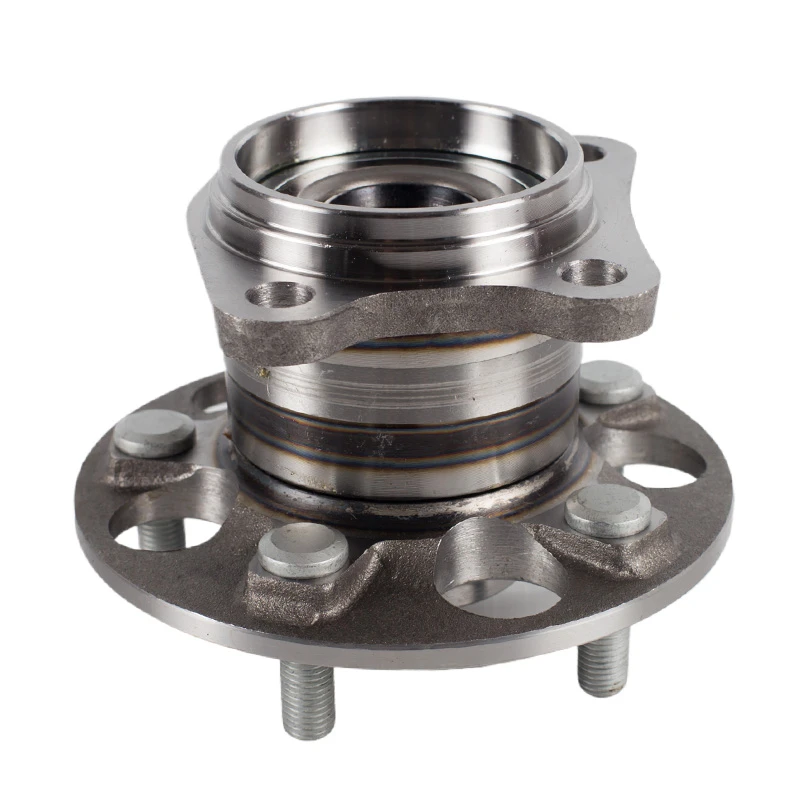

This tightness can lead to increased stress on the bearings. The bearings may not be able to rotate as freely as they should, which can cause them to wear out faster. In very cold climates, such as in the Arctic or during a harsh winter in northern regions, the cold can make the wheel hub components more rigid.
Low temperatures can also affect the lubricant in the wheel hub bearings. Lubricants can thicken in the cold, which reduces their ability to flow and provide proper lubrication. This can result in increased friction and wear on the bearings. If the lubricant thickens too much, it may not be able to reach all the parts of the bearing that need to be lubricated, leading to uneven wear and potential bearing failure.
Impact on Different Types of Wheel Hubs
Different types of wheel hubs can be affected by temperature in different ways. For example, let's take a look at some specific products. The Wheel Hub Bearing for Honda Fit is designed for a compact car. In high temperatures, the smaller size of the hub may mean that it heats up more quickly. This can put extra stress on the bearings, especially if the car is being driven aggressively.
On the other hand, the Harley Rear Wheel Hub is used in motorcycles. Motorcycles are often exposed to the elements, and temperature changes can have a big impact on their performance. In cold weather, the rear wheel hub may contract, affecting the alignment and smooth operation of the wheel.
The Front Wheel Hub for Toyota Coaster is used in a large vehicle like a bus. Buses are often used for long-distance travel and may encounter a wide range of temperatures. The wheel hubs need to be able to handle these temperature variations without compromising performance. High temperatures can be a particular concern for buses, as they are constantly under load and generate a lot of heat.
How to Mitigate Temperature Effects
So, what can you do to reduce the impact of temperature on wheel hub performance? One of the most important things is proper maintenance. Regularly checking the wheel hub bearings and lubricant levels is crucial. Make sure the lubricant is suitable for the temperature conditions you'll be driving in.
In high-temperature environments, you may want to consider using a high-temperature lubricant that can withstand the heat. You should also avoid overloading your vehicle, as this can generate more heat and put extra stress on the wheel hubs.
In cold climates, it's a good idea to warm up your vehicle before driving. This allows the wheel hubs and other components to reach a more optimal operating temperature. You may also want to use a low-temperature lubricant that doesn't thicken as much in the cold.
Conclusion
As you can see, temperature plays a vital role in wheel hub performance. Whether it's high temperatures causing expansion and lubricant breakdown or low temperatures leading to contraction and tight clearances, the effects can be significant. As a wheel hub supplier, I understand the importance of providing products that can withstand these temperature variations.
If you're in the market for high-quality wheel hubs that can handle different temperature conditions, don't hesitate to reach out. We're here to help you find the right wheel hubs for your specific needs. Whether you're a car owner, a mechanic, or a fleet manager, we've got the products and expertise to keep your vehicles running smoothly. Contact us today to start the procurement process and discuss your requirements.
References
- SAE International. "Temperature Effects on Automotive Components."
- Machinery Lubrication. "Lubrication in Extreme Temperatures."
- Automotive Engineering Handbook. "Wheel Hub Design and Performance."