

Hey there! As a drive shaft supplier, I've seen firsthand the differences between drive shafts in trucks and cars. It's not just a matter of size; there are several key factors that set them apart. In this blog post, I'll break down these differences and explain why they matter.

1. Size and Strength
One of the most obvious differences between truck and car drive shafts is their size. Trucks are generally bigger and heavier than cars, which means they need more powerful engines and drivetrains to move them. This, in turn, requires a larger and stronger drive shaft.
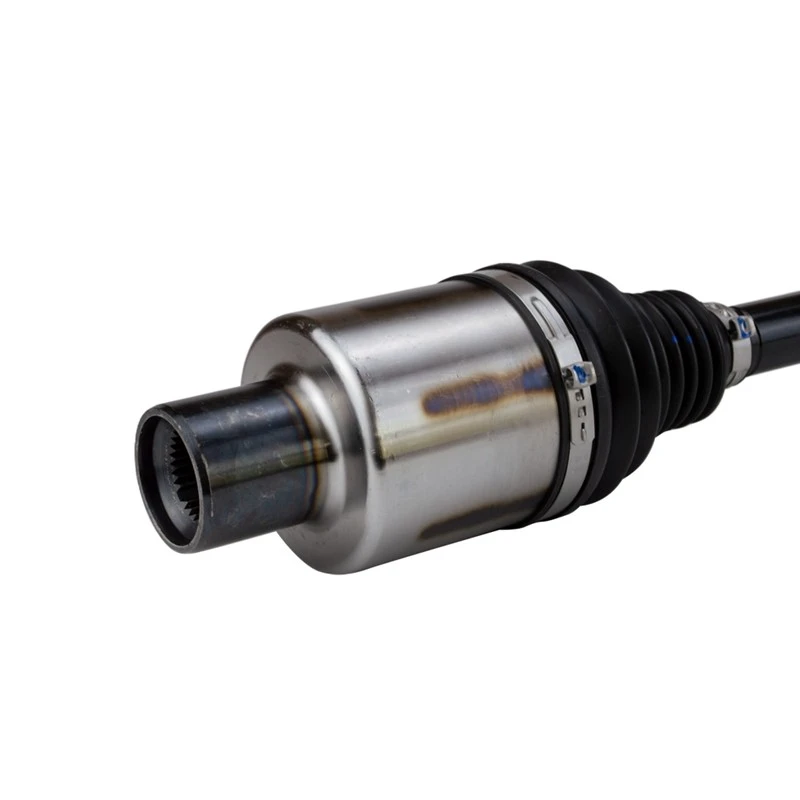
Truck drive shafts are typically longer and thicker than those in cars. They're made from high - strength materials like alloy steel to handle the increased torque and stress. For example, a heavy - duty truck that hauls large loads needs a drive shaft that can transfer massive amounts of power from the transmission to the wheels without bending or breaking.
On the other hand, car drive shafts are smaller and lighter. Since cars are usually designed for everyday commuting and carry fewer passengers and less cargo, they don't need as much power. A smaller drive shaft is sufficient to transfer the power from the engine to the wheels. For instance, a compact car like the [Drive Shaft for 2013 G3 Byd](/drive - shaft/drive - shaft - for - 2013 - g3 - byd.html) doesn't require the same level of strength as a truck drive shaft.

2. Torque Capacity
Torque is the rotational force that an engine produces. Trucks have to deal with much higher torque levels than cars. When a truck is pulling a heavy trailer or climbing a steep hill, the engine generates a large amount of torque to get the job done. The drive shaft must be able to handle this high torque without failing.
Truck drive shafts are engineered to have a high torque capacity. They're designed with larger diameter tubes and stronger universal joints. These components are built to withstand the intense forces generated by the truck's engine.
Cars, in contrast, have lower torque requirements. Most passenger cars are used for normal driving conditions, such as city streets and highways. The engines in cars produce less torque compared to trucks, and the drive shafts are sized and designed accordingly. A [Drive Shaft for Toyota Rav4](/drive - shaft/drive - shaft - for - toyota - rav4.html) is built to handle the torque output of its specific engine, which is much lower than that of a truck engine.
3. Operating Conditions
Trucks and cars operate in different environments, and this also affects the design of their drive shafts. Trucks often work in harsh conditions, such as off - road terrains, construction sites, and long - haul routes. These conditions can subject the drive shaft to a lot of vibration, shock, and dirt.
To withstand these harsh conditions, truck drive shafts are equipped with features like heavy - duty bearings and protective coatings. The bearings are designed to handle the extra load and vibration, while the coatings prevent rust and corrosion.
Cars, on the other hand, usually operate on smooth roads. They're less likely to encounter extreme vibrations or dirt. As a result, car drive shafts don't need the same level of ruggedness as truck drive shafts. For example, a luxury car like the [Drive Shaft for Toyota Alphard](/drive - shaft/drive - shaft - for - toyota - alphard.html) is designed to provide a smooth and quiet ride, so its drive shaft is optimized for low - vibration operation.
4. Design Complexity
Truck drive shafts can be more complex in design than car drive shafts. Many trucks have multi - piece drive shafts to accommodate their longer wheelbases. These multi - piece drive shafts are connected by center bearings, which help to support the weight of the shaft and reduce vibration.
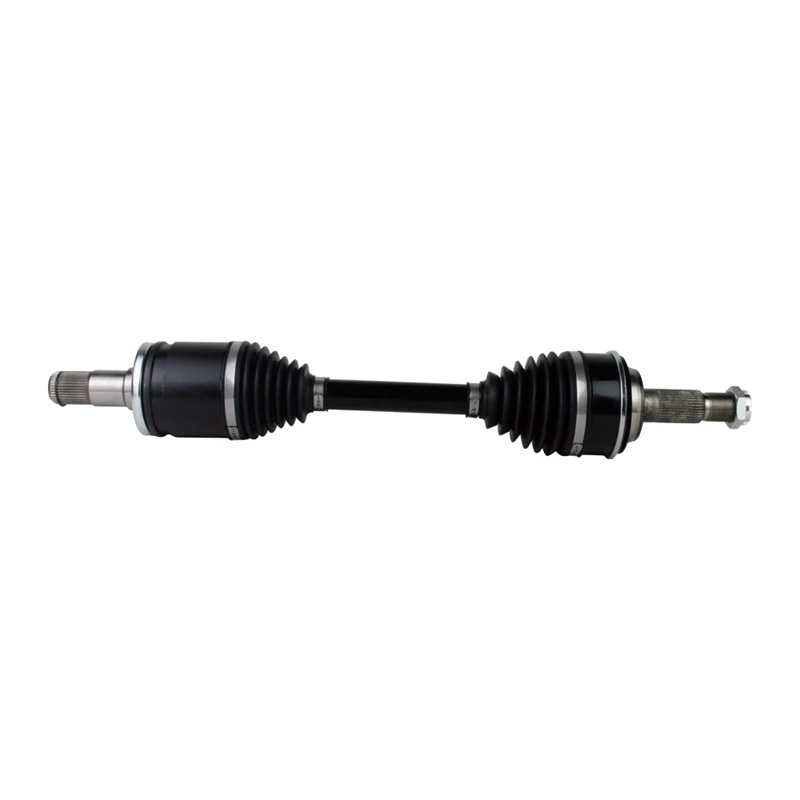
In addition, some trucks have four - wheel drive or all - wheel drive systems, which require more complex drive shaft arrangements. These systems need to transfer power to all four wheels, and the drive shafts have to be designed to work in conjunction with differentials and transfer cases.
Car drive shafts are generally simpler in design. Most cars have a single - piece drive shaft, especially front - wheel - drive cars. Even in rear - wheel - drive and all - wheel - drive cars, the drive shaft design is less complex compared to trucks.
5. Cost
Due to their larger size, higher strength requirements, and more complex designs, truck drive shafts are usually more expensive than car drive shafts. The materials used in truck drive shafts are more costly, and the manufacturing process is more involved.
When you're looking to replace a drive shaft, the cost difference can be significant. A truck drive shaft replacement can cost several hundred dollars or more, depending on the make and model of the truck. In contrast, a car drive shaft replacement is generally less expensive.
Why These Differences Matter
Understanding the differences between truck and car drive shafts is crucial for several reasons. If you're a mechanic, it helps you diagnose and repair drive shaft problems more accurately. You need to know the specific requirements of each type of drive shaft to ensure a proper replacement.
If you're a vehicle owner, knowing these differences can save you money. For example, if you try to use a car drive shaft in a truck, it will likely fail quickly due to the high torque and stress. On the other hand, using a truck drive shaft in a car is overkill and will cost you more than necessary.
Conclusion
In conclusion, the drive shafts in trucks and cars differ in size, strength, torque capacity, operating conditions, design complexity, and cost. These differences are a result of the different requirements of trucks and cars. As a drive shaft supplier, I can provide you with the right drive shaft for your vehicle, whether it's a truck or a car.
If you're in the market for a new drive shaft, I'd love to talk to you. Whether you need a [Drive Shaft for 2013 G3 Byd](/drive - shaft/drive - shaft - for - 2013 - g3 - byd.html), a [Drive Shaft for Toyota Rav4](/drive - shaft/drive - shaft - for - toyota - rav4.html), or a [Drive Shaft for Toyota Alphard](/drive - shaft/drive - shaft - for - toyota - alphard.html), I've got you covered. Reach out to me, and let's discuss your needs and find the perfect drive shaft for your vehicle.
References
- "Automotive Driveline Systems" by Hans - Jürgen Hackenberg
- Various automotive repair manuals and industry publications.